Guides
Renaissance & Royal Pet Portraits: The Complete Guide
Why does your dog look so right in a velvet doublet? A guide to the most-loved pet portrait style — its history, the looks to know, and how to get one that still looks like your pet.
The short answer
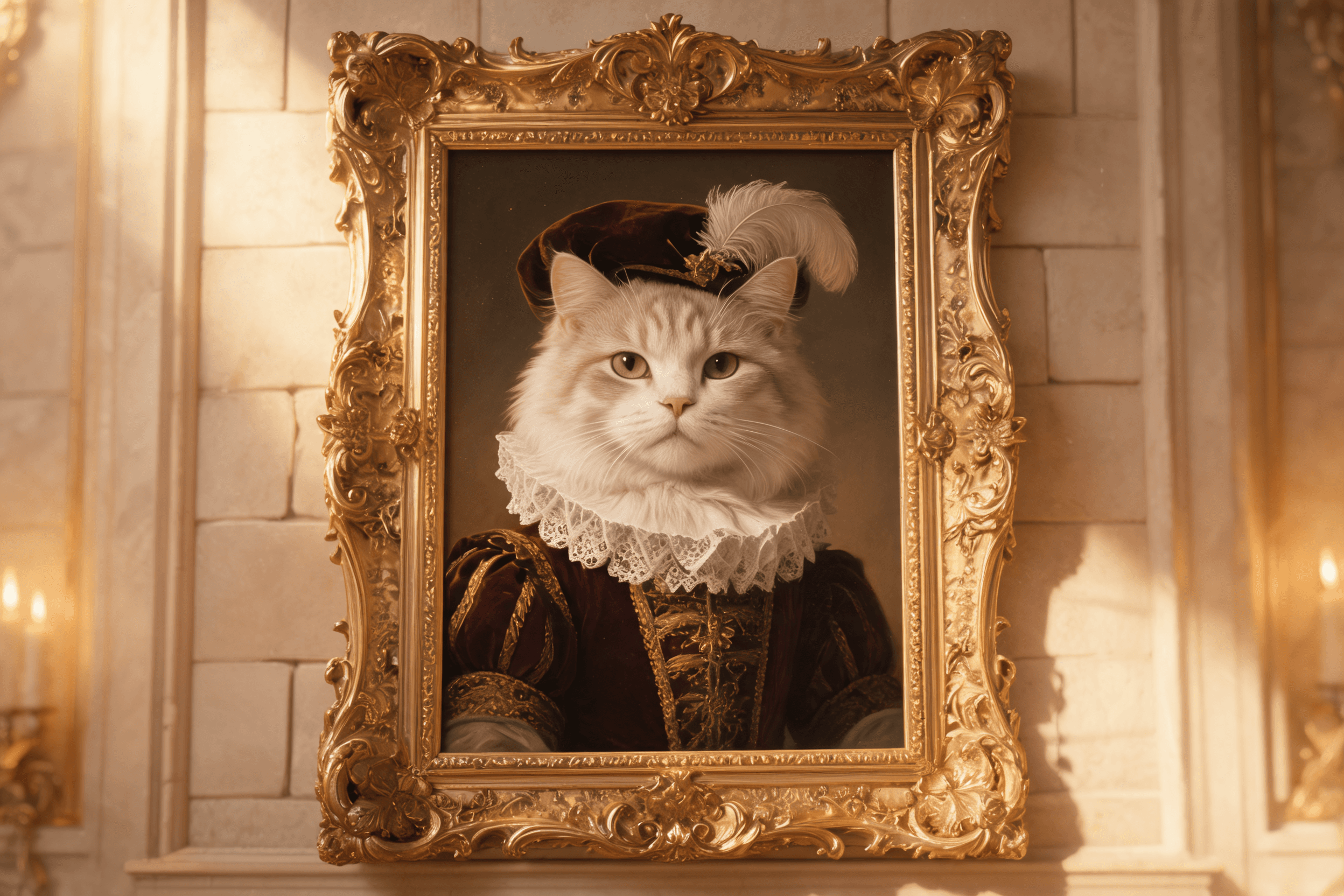
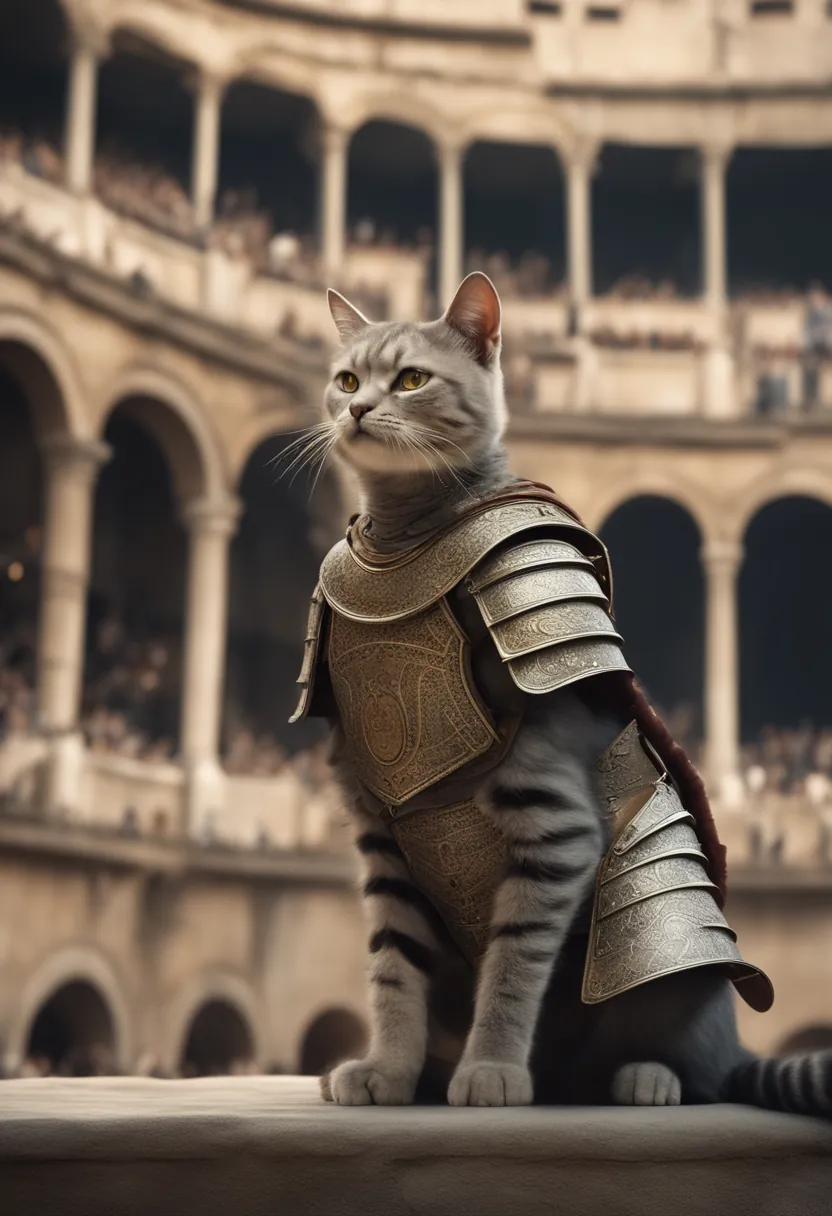
A Renaissance or royal pet portrait reimagines your dog or cat as noble portraiture — velvet, lace, armor and oil-painting light. AI can now recreate the style from a few photos in minutes while keeping your pet’s real face, for a fraction of the cost of a commissioned painting.
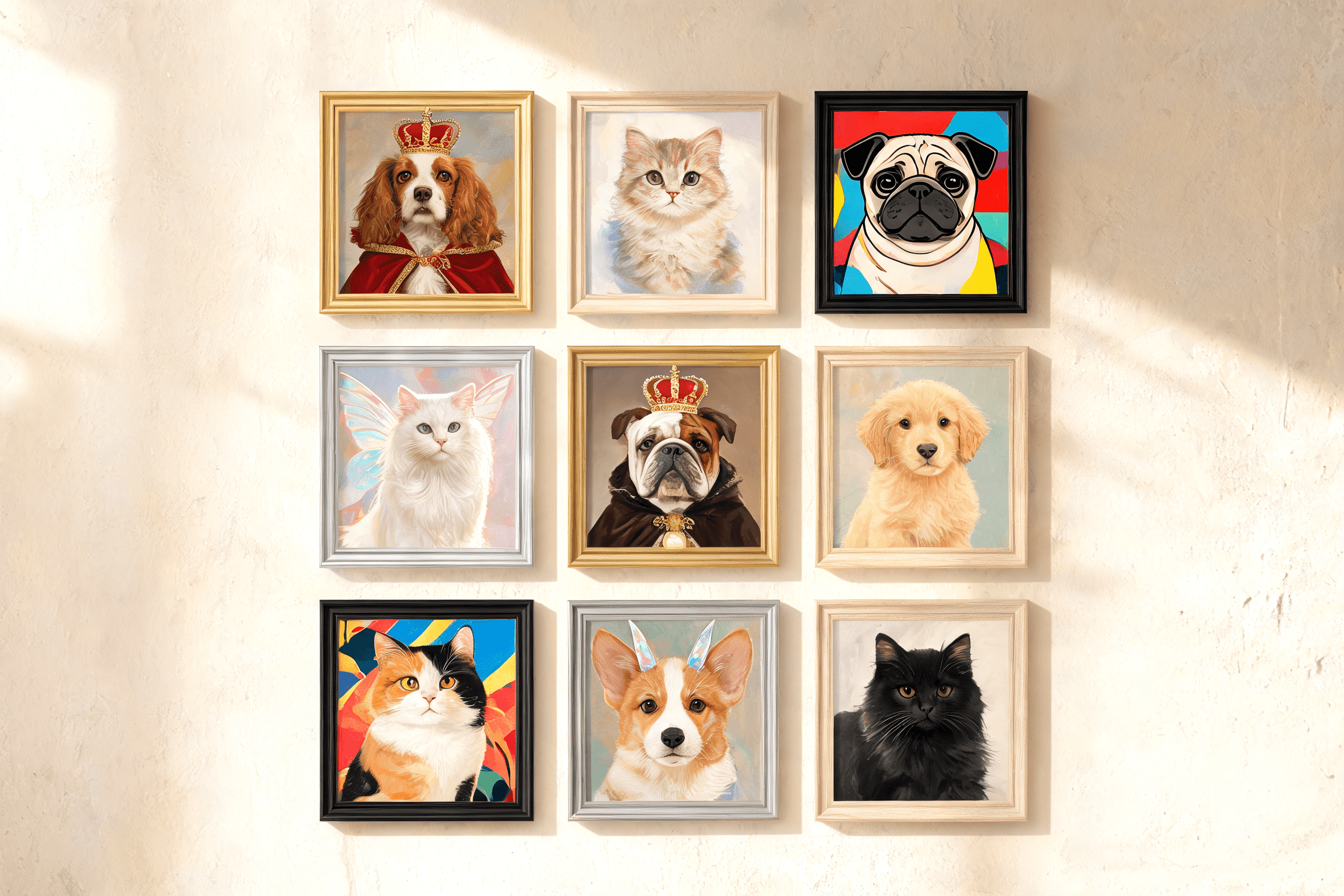
Of all the ways to turn a pet into art, none is more beloved than the royal Renaissance portrait — your scruffy terrier as a duke, your cat as a queen in a gilded frame. It is funny and genuinely beautiful at the same time, which is exactly why it has become the signature pet-portrait style.
Why the Renaissance style works so well on pets
Renaissance portraiture was built to convey status and character — the steady gaze, the rich fabrics, the dramatic side-light. Pets already have abundant character, so dressing them in noble attire creates a delightful contrast: utter seriousness on a very good boy. The style’s painterly lighting also flatters fur beautifully.
The royal looks to know
| Style | The look | Best for |
|---|---|---|
| Renaissance noble | Velvet doublet, dark backdrop, oil-painting light | Dignified dogs, distinguished seniors |
| Royal monarch | Crown, ermine robe, throne-room palette | Pets who already rule the house |
| Military general | Gold epaulettes, medals, sash | Bold, proud personalities |
| Baroque aristocrat | Lace ruff, pearls, soft chiaroscuro | Elegant cats and small breeds |
| Romantic portrait | Soft drapery, gentle painterly glow | Sweet, poetic temperaments |
How AI recreates the style from your photos
A modern AI portrait tool trains on a handful of photos of your pet to learn its face, then paints that face into the chosen historical style. The key is likeness: the best results keep your pet’s real markings, eye color and expression, so it reads as your dog dressed as a duke — not a stock spaniel in a robe.
Likeness is everything
Many cheaper services drop your pet’s head onto a pre-drawn body. If you want the portrait to actually look like your pet, choose a tool that trains on several of your own photos. See our photo guide for the shots that matter.
Hand-painted vs. AI: cost and time
- Commissioned oil painting: a true heirloom, but typically $300–$1,000+ and several weeks.
- Artist-finished template (e.g. costume services): ~$40+, one design, polished but less true-to-life.
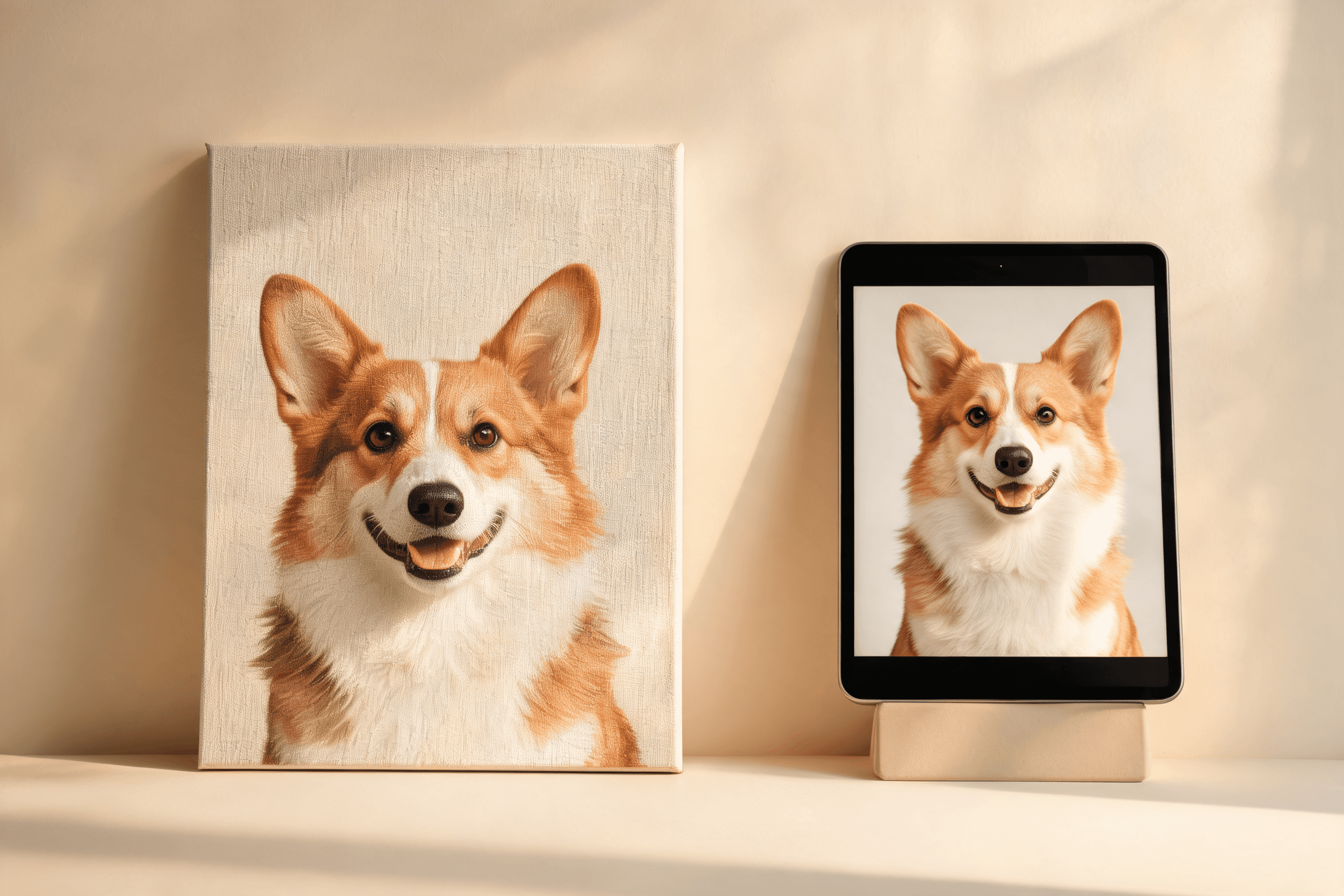
- AI portrait trained on your pet: a gallery of portraits in minutes, from around $15, keeping real likeness.
Choosing the right royal style for your pet
- 1.Match the mood. A dignified senior suits a Renaissance noble; a tiny diva suits a baroque aristocrat.
- 2.Consider the room. Dark, moody portraits feel classic; lighter romantic looks suit airy spaces.
- 3.Don’t overthink it. Half the joy is the surprise — a bundle of styles lets you discover the one that fits.
Crown your pet
Turn a few photos into noble portraits that still look unmistakably like your dog or cat.
Create my portraits — from $14.99Love them, or regenerate any portrait — free.
Frequently asked
What is a Renaissance pet portrait?
A Renaissance pet portrait reimagines your dog or cat in the style of old-master noble portraiture — period dress, dramatic oil-painting light and a dignified pose — while keeping your pet’s real face.
How much does a royal pet portrait cost?
A commissioned oil painting can run $300–$1,000+. Artist-finished costume prints start around $40. AI-generated royal portraits trained on your pet start around $15 and deliver several pieces at once.
Will a royal portrait still look like my pet?
It will if the tool trains on several photos of your specific pet rather than using a generic template. That preserves real markings, eye color and expression in the finished noble portrait.
Can I get a royal portrait of a cat?
Yes. Cats suit baroque and monarch styles especially well — lace ruffs, crowns and soft chiaroscuro flatter feline faces. The same AI process works for cats and dogs.
Written by
Florian Chataignier — Founder, Puppy AI
Florian is the founder of Puppy AI. He has spent the last two years training and tuning the diffusion models behind tens of thousands of pet portraits, and writes about getting genuinely good art out of a phone camera roll.