Guides
What Is an AI Pet Portrait? How It Works in 2026
AI pet portraits turn a few phone photos into gallery-grade art of your dog or cat. Here is exactly what they are, how the technology works, and what to expect.
The short answer
An AI pet portrait is a piece of digital art created when an AI model learns your dog or cat from a few photos, then paints it in a chosen style — fantasy, royal, poetic and more. The best tools preserve your pet’s real face and deliver multiple portraits in minutes for around $15.
The phrase "AI pet portrait" gets used for a lot of different things in 2026. This guide explains exactly what it means, how the technology actually works, and what you should expect when you order one.
What is an AI pet portrait?
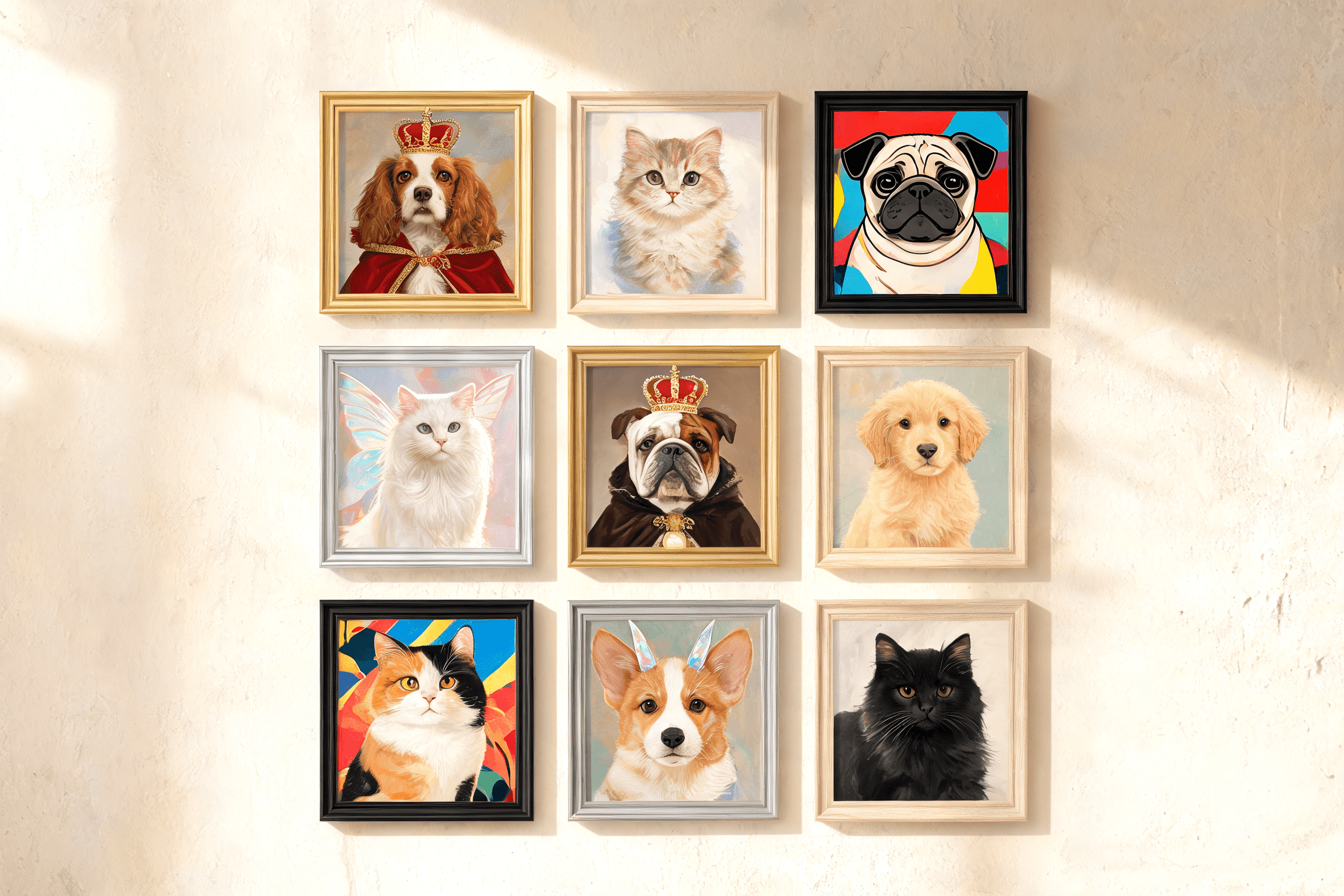
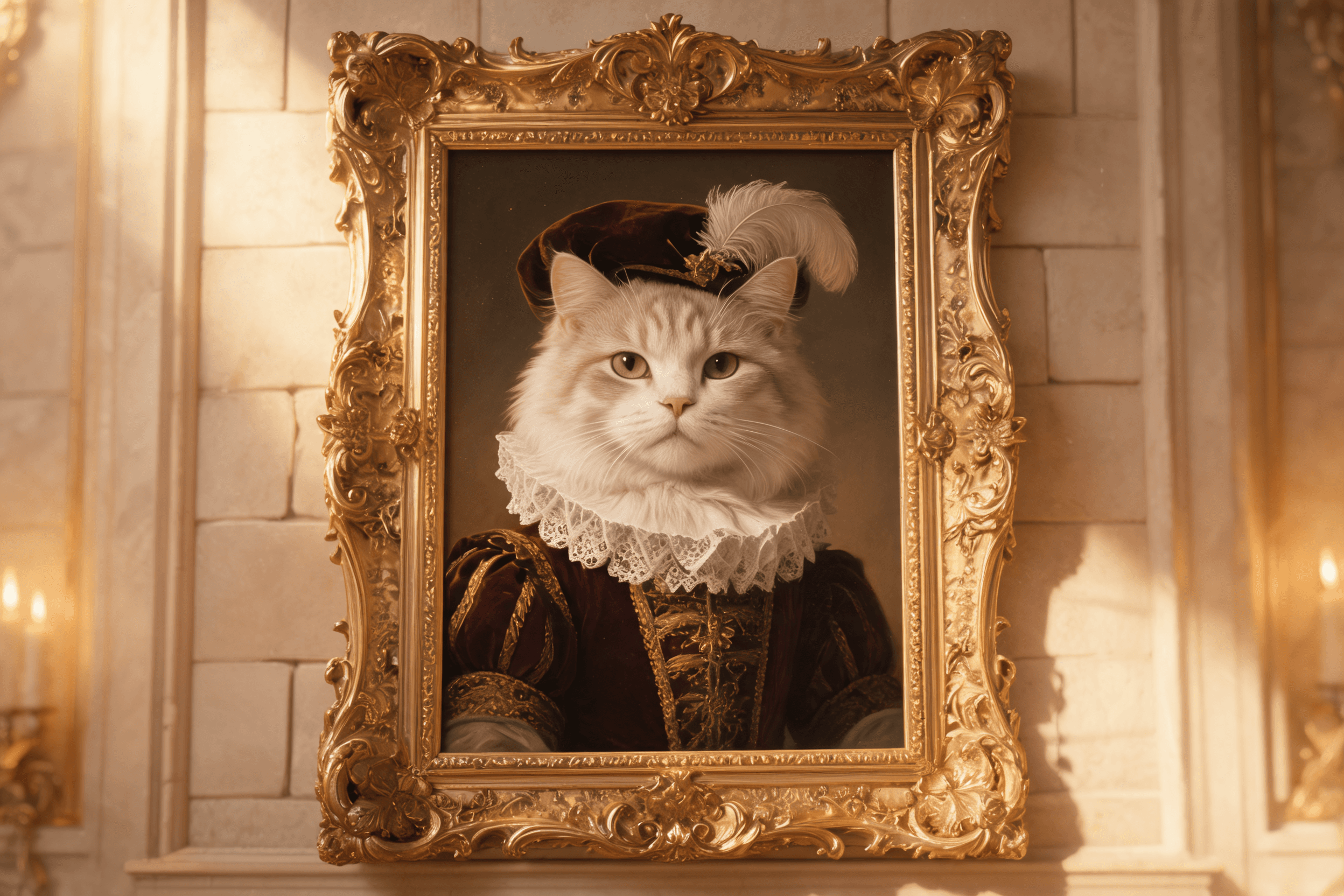
An AI pet portrait is artwork of your pet generated by an artificial-intelligence image model rather than painted by hand. You provide photos; the model produces stylized portraits — say, your dog as a Renaissance noble or a fantasy adventurer — that aim to keep your pet recognizably itself.
How does the AI turn photos into art?
Behind the scenes, modern tools use diffusion models — the same family of AI that powers today’s best image generation. The strongest pet-portrait services add a step called fine-tuning (often via a technique called LoRA): the model briefly trains on your photos so it learns your specific pet before generating.
- 1.You upload photos — usually a handful (around five) of one pet from different angles.
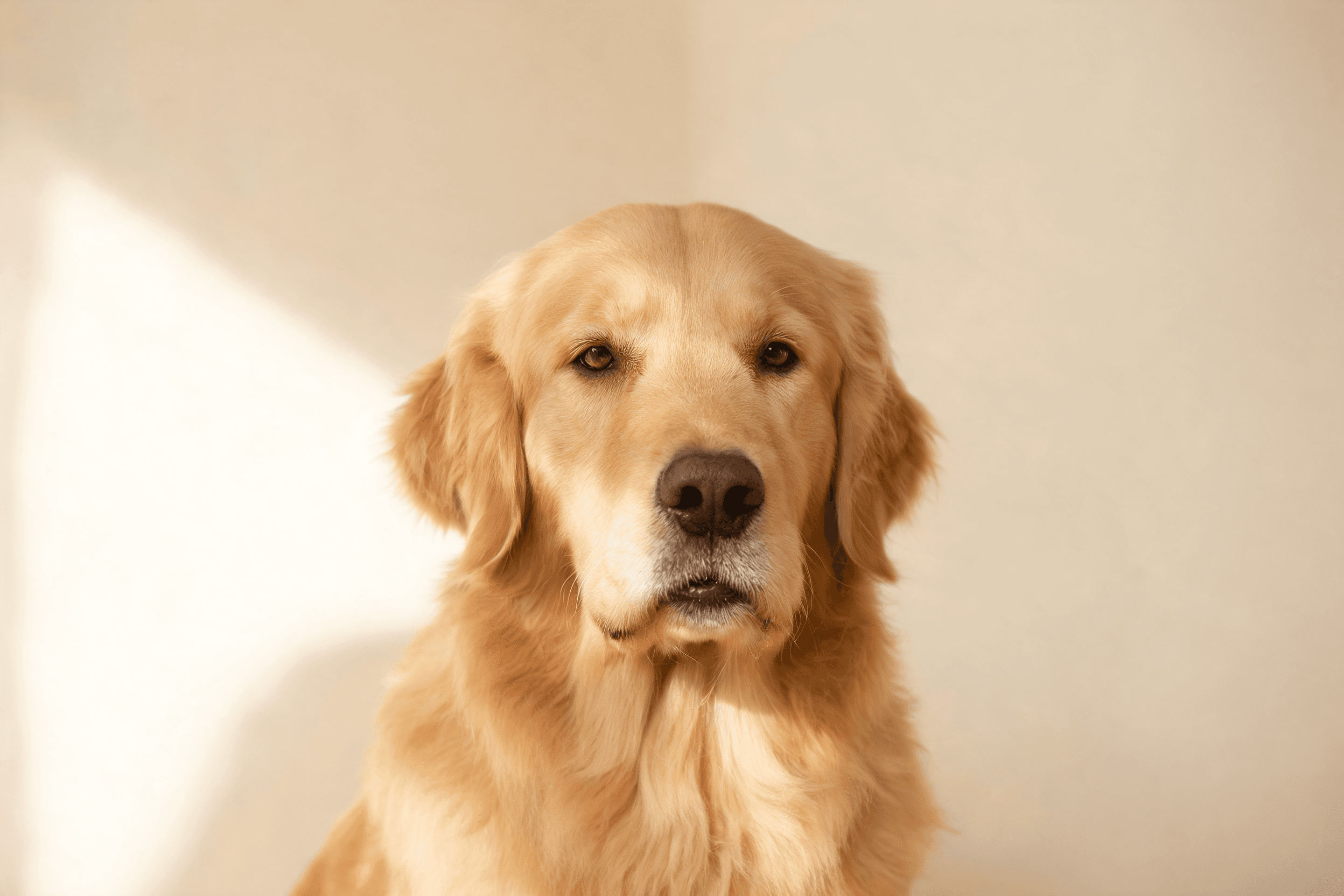
- 2.The model learns your pet — it fine-tunes on those images to capture the real face, fur and markings.
- 3.It paints the styles — the trained model generates portraits in each chosen style.
- 4.You receive a gallery — the finished portraits arrive, ready to download or print.
Trained-on-your-pet vs. single-photo tools
Tools that train on several of your photos produce far better likeness than ones that transform a single image. If "does it look like my pet?" matters to you, that distinction is the whole game.
How long does it take and what does it cost?
| Factor | Typical range |
|---|---|
| Delivery time | ~15 minutes for trained models; seconds for single-photo apps |
| Price | ~$5 per credit (apps) to ~$15–$40 one-time for a full gallery |
| Pieces you get | 1 per credit, or 8–40 in a one-time pack |
| Pets supported | Dogs and cats (and often other pets) |
Are AI pet portraits any good?
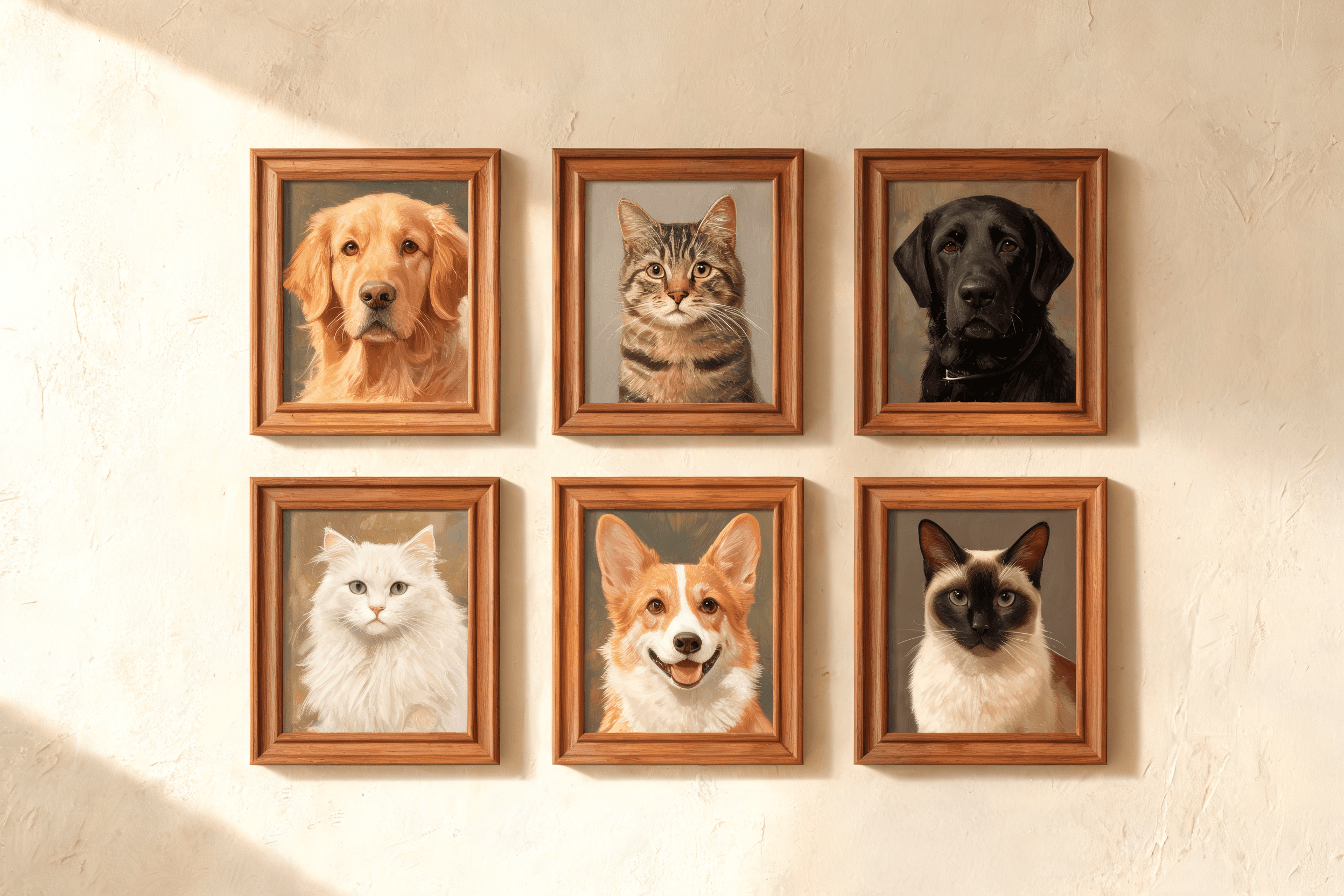
In 2026, yes — markedly so. The biggest leap has been fur handling: earlier models struggled with long-haired and very dark pets, while current diffusion models render individual strands convincingly. The result is wall- and gift-worthy for the vast majority of pets.
What you need to get a great one
- A handful of clear, well-lit photos — see our photo guide.
- A tool that trains on your pet if likeness matters.
- An idea of the styles you want — or a pack that includes several.
See your pet as art
Upload a few photos and get a gallery of AI portraits in about 15 minutes — from $14.99.
Create my portraits — from $14.99Love them, or regenerate any portrait — free.
Frequently asked
What is an AI pet portrait?
An AI pet portrait is digital artwork of your pet generated by an AI image model from photos you upload, rather than painted by hand. It renders your dog or cat in styles like fantasy, royal or poetic while keeping their real likeness.
How do AI pet portraits work?
You upload several photos of your pet. The AI fine-tunes on those images to learn its face and markings, then a diffusion model paints portraits in your chosen styles. Trained models deliver the results in about 15 minutes.
How much does an AI pet portrait cost?
Credit-based apps charge roughly $5 for a few images. One-time packs that include a full gallery of portraits typically run $15–$40, with no subscription.
Do AI pet portraits look realistic?
Modern diffusion models produce highly convincing results in 2026, including much-improved fur detail for long-haired and dark pets. Likeness is best when the tool trains on several of your own photos.
Written by
Florian Chataignier — Founder, Puppy AI
Florian is the founder of Puppy AI. He has spent the last two years training and tuning the diffusion models behind tens of thousands of pet portraits, and writes about getting genuinely good art out of a phone camera roll.